
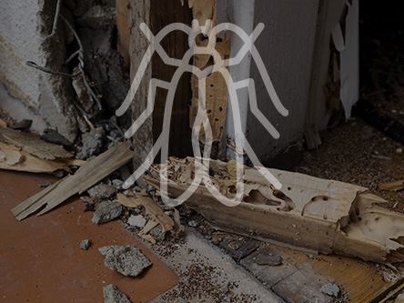
8 Signs You Have Termites in Your Southern California Home
Termites are often called "silent destroyers" for good reason. Termites cause billions of dollars in structural damage every year, and in Southern California, they’re one of the most common and overlooked threats to your home. They work around the clock inside your walls, floors, and framing, completely out of sight. In Southern California's climate, both drywood and subterranean termites thrive year-round. The earlier you catch the signs, the less damage and expense you may face.
The signs to watch for
1. Discarded wings near windows and doors
When reproductive termites (called "swarmers") leave their colony to start a new one, they shed their wings soon after landing. Finding small, translucent wings, often in piles on windowsills, near door frames, or on the floor, is one of the earliest and clearest signs of a termite presence nearby.
Look for: tiny wings the same size as your thumbnail, often in groups
2. Mud tubes along your foundation
Subterranean termites build pencil-width mud tubes along your home's foundation, exterior walls, or crawl space beams. These tunnels protect them from open air as they travel between their underground colony and your home's wood. If you spot these brown, dirt-colored tubes, subterranean termites are almost certainly active.
Check: along your foundation, garage walls, and crawl space supports
3. Hollow-sounding or damaged wood
Termites eat wood from the inside out, leaving a thin veneer on the surface. Tap on baseboards, door frames, or wooden furniture. A hollow, papery sound is a strong indicator that termites have been at work inside. You may also notice wood that buckles, blisters, or crumbles when pressed.
Test: knock along baseboards and window frames every few months
4. Frass (termite droppings) near wood
Drywood termites push their fecal pellets, called frass, out of small holes in the wood they're infesting. This frass looks like tiny, six-sided granules, often resembling sawdust or sand. Finding small piles of it near furniture, baseboards, or wooden trim is a telltale sign of a drywood termite infestation.
Looks like: fine wood-colored or sand-colored granules in a small pile
5. Tight-fitting doors and hard-to-open windows
As termites eat through the wood in your door frames and window sills, the resulting moisture and damage can cause warping. This warping can make doors and windows suddenly feel stiff or hard to open, especially on warm days. While warping can have other causes, it's worth investigating if it appears alongside other signs on this list.
Note: this sign is easy to dismiss, don't ignore sudden changes
6. Visible swarmers (flying termites)
Seeing flying termites, either inside or immediately outside your home, is a serious warning. Swarms typically happen in spring and early summer, and in Southern California's climate can occur throughout the year. Swarmers are often mistaken for flying ants, but termite swarmers have straight antennae, equal-length wings, and a thick, uniform waist.
Swarmers inside the home almost always mean an infestation is already active
7. Paint that bubbles or peels unexpectedly
Moisture produced by termite activity can cause paint to bubble, blister, or peel even in areas that aren't normally exposed to water. If you notice paint damage on an interior wall that has no obvious moisture source (no plumbing, no water leak) termites may be the culprit feeding in the wall behind it.
Investigate: any paint bubbling far from bathrooms, kitchens, or exterior walls
8. Sagging floors or ceilings
In advanced infestations, termites can compromise the structural integrity of floor joists, subfloor, or ceiling supports. Floors may begin to feel soft, spongy, or uneven underfoot. Ceilings can develop sagging or blister-like sections. If your home is showing these signs, a professional inspection is urgent as the structural damage may already be significant.
Do not delay: this level of damage requires immediate professional assessment
Why Southern California homes are especially vulnerable
Our region's warm temperatures and dry climate create ideal conditions for both drywood and subterranean termites. Drywood termites, the most common species treated here, don't need contact with soil and can infest your home's framing, furniture, and wooden trim directly. Subterranean termites thrive in the moisture-rich soil found around irrigation systems and near plumbing. Many Southern California homeowners are dealing with both at once.
Because infestations often go unnoticed for months or years, an annual professional inspection is one of the most effective things you can do to protect your home from termite damage.
What to do if you spot these signs
Don't attempt to treat a termite problem with over-the-counter sprays. They rarely penetrate deep enough to eliminate a colony and can give homeowners a false sense of security while damage continues. The right move is to schedule a professional inspection as soon as possible.
At All Pest Pros, our licensed inspectors will assess your home from foundation to rafters, identify the species present, and recommend a targeted treatment plan whether that's a fumigation, localized treatment, or preventative maintenance.
Think you have termites? Get a free inspection.
All Pest Pros serves customers throughout Los Angeles, Orange, San Diego, Riverside, San Bernardino, and Ventura counties. Our licensed inspectors are ready to assess your home at no cost to you.