
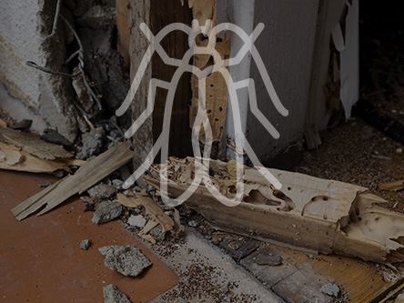
Common Types of Termites Found in Southern California Homes
Southern California homeowners face termite activity year-round due to warm climate and mild winters. Termites are often associated with severe structural damage but many homeowners are unfamiliar with the different termite species commonly found in homes in their area.
Understanding the most common types of termites in Southern California can help homeowners recognize early warning signs, understand treatment recommendations, and prevent costly structural damage before infestations become severe.
Why Termites Are So Common in Southern California
Southern California provides ideal conditions for termite activity. Warm temperatures, dry summers, mild winters, and dense residential construction all contribute to ongoing termite pressure throughout the region.
Unlike colder climates where termite activity may slow significantly during winter months, termite colonies in Southern California remain active for much of the year. Swarming season often makes termite activity more noticeable, but damage typically begins long before visible signs appear.
The three primary termite categories found in Southern California homes include:
- Drywood termites
- Subterranean termites
- Dampwood termites
Each species behaves differently and requires different treatment approaches.
Drywood Termites
Drywood termites are one of the most common termite species affecting Southern California homes. Drywood termites live directly inside dry wood and create colonies within the structure itself.
Where Drywood Termites Are Commonly Found
Drywood termites frequently infest:
- Attics
- Fascia boards
- Roof eaves
- Window frames
- Garage framing
- Exposed structural wood
- Wooden fencing
- Furniture and cabinetry
Signs of Drywood Termites
Drywood termite infestations are often identified by:
- Small piles of termite droppings (frass)
- Discarded wings near windows or doors
- Hollow sounding wood
- Bubbling or damaged paint
- Tiny kick-out holes in wood surfaces
- Swarming termites during warm evenings
Drywood termites often remain hidden for extended periods, allowing damage to spread slowly over time.
Drywood Termite Treatment Options
Treatment recommendations depend on infestation size, accessibility, and structural conditions.
Common treatment methods include:
Localized Termite Treatment
Localized treatment targets active infestations directly within affected wood members. Professional products are applied into galleries where termites are actively feeding.
Localized treatment is often recommended when infestations are limited to isolated areas.
Whole Structure Fumigation
For widespread drywood termite infestations, whole-structure fumigation may be recommended to eliminate termite activity throughout the home.
Fumigation is advised when:
- Multiple infestation sites are present
- Infestations are inaccessible
- Activity is widespread throughout the structure
Subterranean Termites
Subterranean termites are among the most destructive termite species in California. Unlike drywood termites, subterranean termites live in the soil and travel into structures in search of wood and cellulose materials.
Because colonies remain underground, infestations can sometimes grow significantly before homeowners notice visible signs.
How Subterranean Termites Enter Homes
Subterranean termites commonly enter through:
- Foundation cracks
- Slab penetrations
- Expansion joints
- Plumbing entry points
- Crawlspaces
- Wood-to-soil contact areas
Signs of Subterranean Termites
Common signs include:
- Mud tubes along foundations
- Swarming termites in spring
- Soft or blistered wood
- Moisture-damaged wood
- Hollow sounding framing
- Visible structural damage
Mud tubes are one of the most recognizable signs of subterranean termite activity.
Subterranean Termite Treatment
Subterranean termite treatment typically focuses on creating a treated zone around the structure.
Common methods include:
- Soil trenching and treatment
- Drilling through slabs or concrete
- Foundation perimeter applications
- Localized wood treatment
- Non-repellent termiticide applications
Professional products such as Termidor® are commonly used because termites transfer the treatment throughout the colony.
Unlike drywood termites, fumigation does not eliminate subterranean termite colonies living in the soil beneath the structure.
Dampwood Termites
Dampwood termites are less common in homes but can still appear in Southern California properties where excessive moisture exists.
These termites prefer wet or decaying wood and are often associated with moisture problems rather than widespread structural infestations.
Areas Where Dampwood Termites Are Found
Dampwood termites are commonly associated with:
- Roof leaks
- Plumbing leaks
- Water damaged framing
- Rotting exterior wood
- Tree stumps
- Wood debris near structures
Because they require higher moisture levels, dampwood termites are less likely to infest dry structural lumber.
Signs of Dampwood Termites
Homeowners may notice:
- Large termites compared to other species
- Moist or decaying wood
- Damaged wood near leaks
- Swarmers near damp areas
Dampwood Termite Treatment
Treatment usually focuses on correcting moisture conditions first.
Recommendations may include:
- Repairing leaks
- Improving drainage
- Removing damaged wood
- Reducing moisture buildup
- Localized termite treatment if necessary
In many cases, eliminating excess moisture helps prevent future activity.
Why Professional Termite Inspections Matter
Many termite infestations remain hidden for months or years before homeowners notice visible damage. Professional termite inspections help identify:
- Active termite species
- Extent of infestation
- Areas of structural concern
- Conditions conducive to termite activity
- Appropriate treatment recommendations
Early detection can help reduce repair costs and prevent extensive structural damage.
Protecting Southern California Homes From Termites
Termites remain one of the most destructive threats to homes throughout Southern California. Whether dealing with drywood termites in attic framing or subterranean termites beneath the foundation, early identification and proper treatment are critical.
Understanding the most common termite species found in Southern California homes helps homeowners recognize warning signs sooner and make informed decisions about treatment and prevention.
If termite activity is suspected, a professional inspection can help determine the species involved, the severity of the infestation, and the most effective treatment solution for the property. Contact us to schedule your free inspection today.